When a child’s behaviour feels like a puzzle with missing pieces, parents in remote parts of Australia often wonder: how to find an autism assessment for a child with a developmental disorder in remote Australia? The answer is not as simple as searching Google, but with a clear roadmap, the journey becomes less daunting. This guide will walk you through the steps, share practical tips, and sprinkle a dash of humor to keep the mood light.
Understanding the Challenge in Remote Australia
Geographic Isolation
In vast outback towns, the nearest specialist can be hundreds of kilometres away. Imagine trying to get a specialist’s appointment when the only road you have is a dusty track that turns into a sand dune at dusk. That’s the reality for many families.
Limited Resources
Even when specialists are closer, the number of qualified professionals is often low. Clinics may operate on a rotating schedule, and waiting lists can stretch for months. Add to that the challenge of arranging transport for a child who may not yet understand why a car ride feels like a long, unending adventure.
The First Step: Gathering Information
Identify the Need
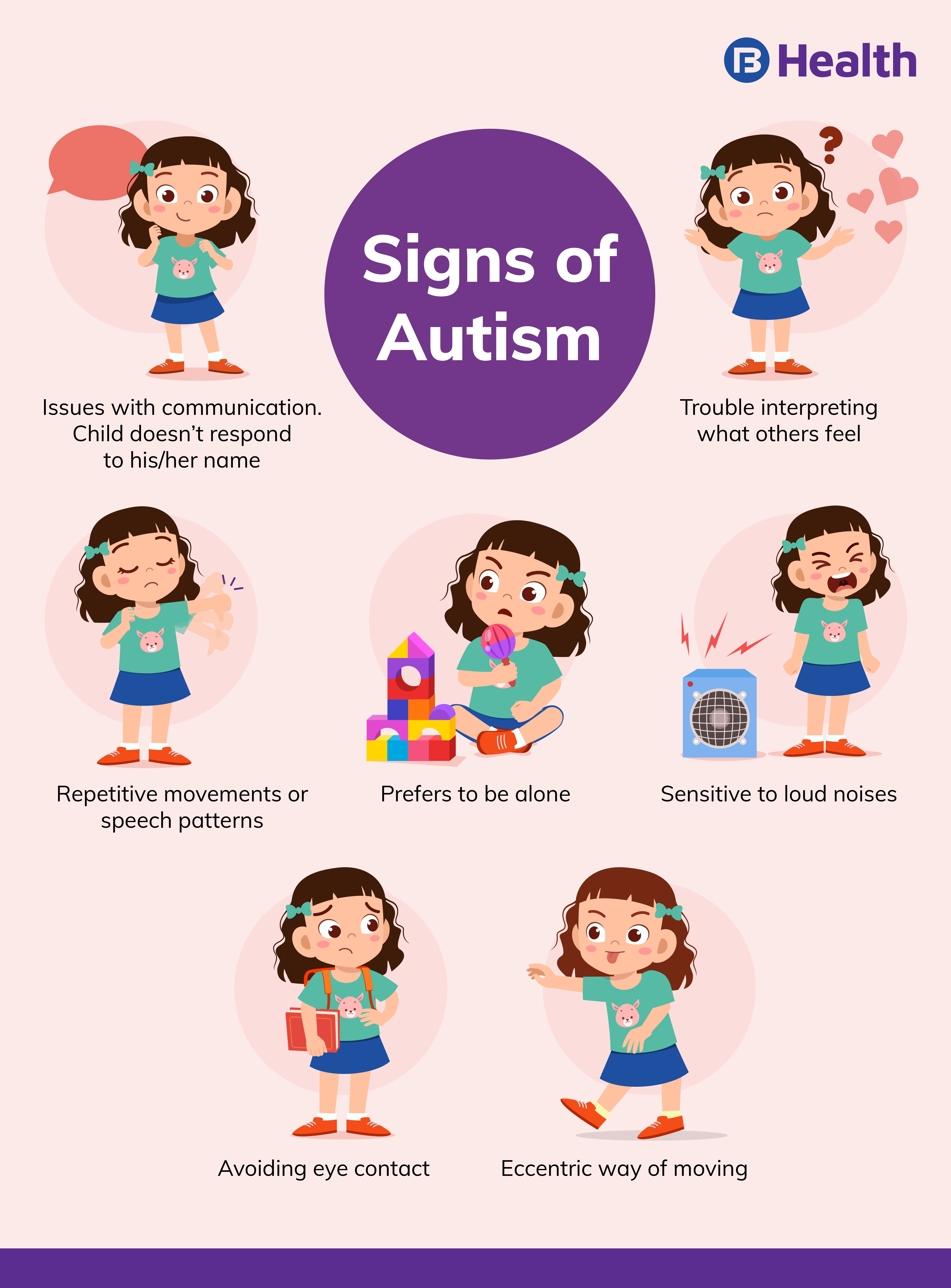
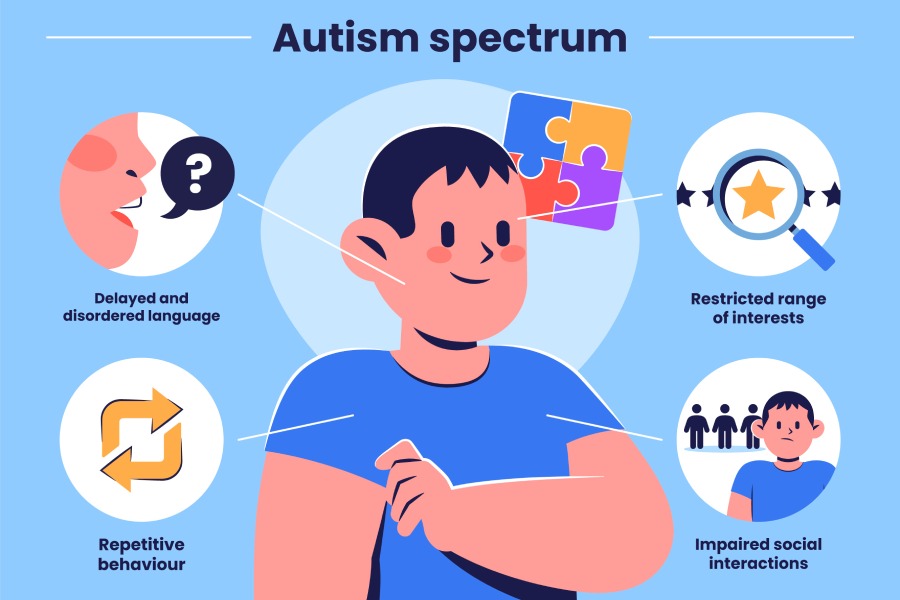
Start by asking yourself: What specific concerns do I have about my child’s development? Are there delays in speech, social interaction, or repetitive behaviours? Documenting these observations gives a clear picture for any professional you consult.
Talk to Local Health Professionals
Your local GP, child psychologist, or school counsellor can be the first line of enquiry. They often have a network of specialists and can provide referrals. A quick conversation can uncover hidden resources, such as:
- Community health centres that occasionally host visiting specialists School-based support teams that coordinate assessments Telehealth services that allow remote consultations
Navigating the Assessment Process
Choosing the Right Specialist
Not all autism assessments are created equal. Look for professionals with:
- A clinical psychologist or psychiatrist specialising in autism spectrum disorders Experience working with children from diverse cultural backgrounds A track record of providing family‑centred care
Ask for a list of credentials and read reviews from other parents. A quick Google search for “autism assessment near me” can give you names, but Hyperfocus the real test is in the follow‑up conversation.
Telehealth Options
In remote Australia, telehealth has become a lifeline. Many specialists now offer video consultations, reducing the need for long drives. However, a full assessment often still requires in‑person testing. Telehealth can:
- Serve as a pre‑screening to determine if an in‑person assessment is necessary Provide initial guidance and support while you await a specialist visit
In‑Person Assessments: When and How
When a specialist arrives, the assessment typically involves:
- Observations in a controlled environment Standardised tests for cognitive, language, and adaptive skills Interviews with parents and teachers
Because travel is involved, plan for a comfortable stay—bring snacks, familiar toys, and a diary to record the child’s reactions. It’s a marathon, not a sprint, but the finish line brings clarity.
Funding and Support
Medicare Benefits
Medicare offers a Mental Health Services Benefit that covers up to 10 sessions of counselling or Click for more info psychotherapy. While it doesn’t cover the full assessment, it can help with subsequent therapy sessions. Check the eligibility criteria on the Medicare website.
State and Territory Grants
Each state has its own grants for developmental assessments. For instance:
- Queensland offers the Queensland Health Disability Service grants Western Australia has the Department of Health – Disability Assessment Grants Northern Territory provides the NT Disability Services assessment subsidies
These grants often cover the cost of the assessment and sometimes travel expenses. Contact your local health department for application details.
Community Support Groups
Local parent support groups can be invaluable. They often:
- Share experiences about navigating the assessment process Provide lists of reputable specialists Offer emotional support during the waiting period
Look for groups on Facebook, local community centres, or the Australian Autism Association’s network.
Practical Tips and Real-World Examples
Anecdote
When I first heard about a family in the Pilbara region, they were stuck between a rock and a hard place: their GP recommended an assessment, but the nearest specialist was a 12‑hour drive away. They used a community grant, booked a telehealth pre‑screening, and then arranged a weekend stay in the nearest town. The result? A comprehensive assessment completed in just two days, and the family felt empowered to start a tailored support plan.
Checklist
- Identify concerns – Write down specific behaviours or delays. Consult local GP – Get a referral or recommendation. Research specialists – Check credentials, experience, and reviews. Explore telehealth – Use it for pre‑screening or follow‑up. Apply for grants – Contact state/territory health departments. Join support groups – Gain insights and emotional support. Prepare your child – Bring familiar items, keep a diary. Follow up – Schedule therapy or support services after assessment.
Making Your Selection Count
Choosing an autism assessment in remote Australia is like navigating a labyrinth with a flashlight. The path may twist, but with the right tools, you can find your way. Remember, the goal isn’t just to get a diagnosis; it’s to unlock a support network that empowers your child’s growth.
If you’re ready to start, reach out to your local GP or community health centre today. They can point you toward specialists, grants, and support groups that make the journey smoother. And if you ever feel lost in the maze, remember: every step forward, no matter how small, brings you closer to a brighter future for your child.